








| Expression System | CHO |
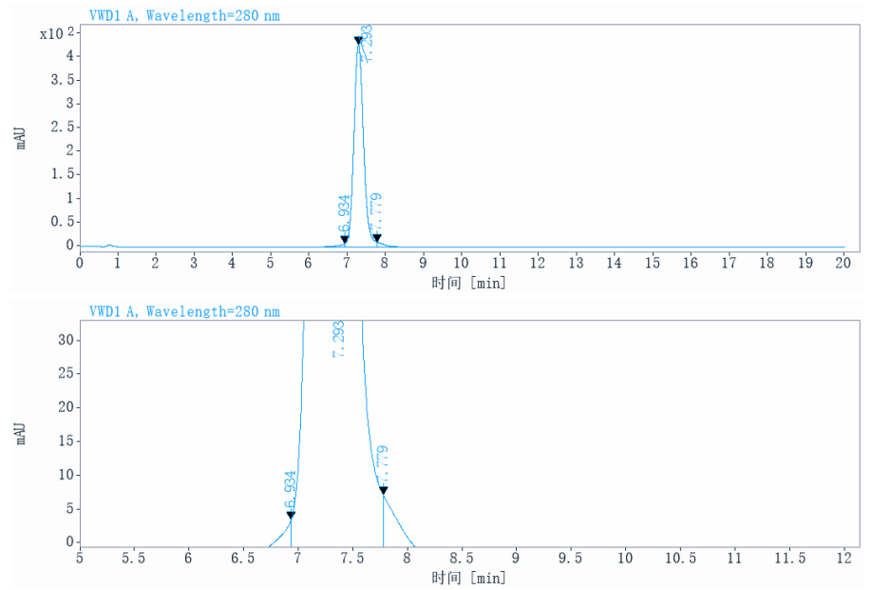
| Aggregation | < 5% as determined by SEC-HPLC |
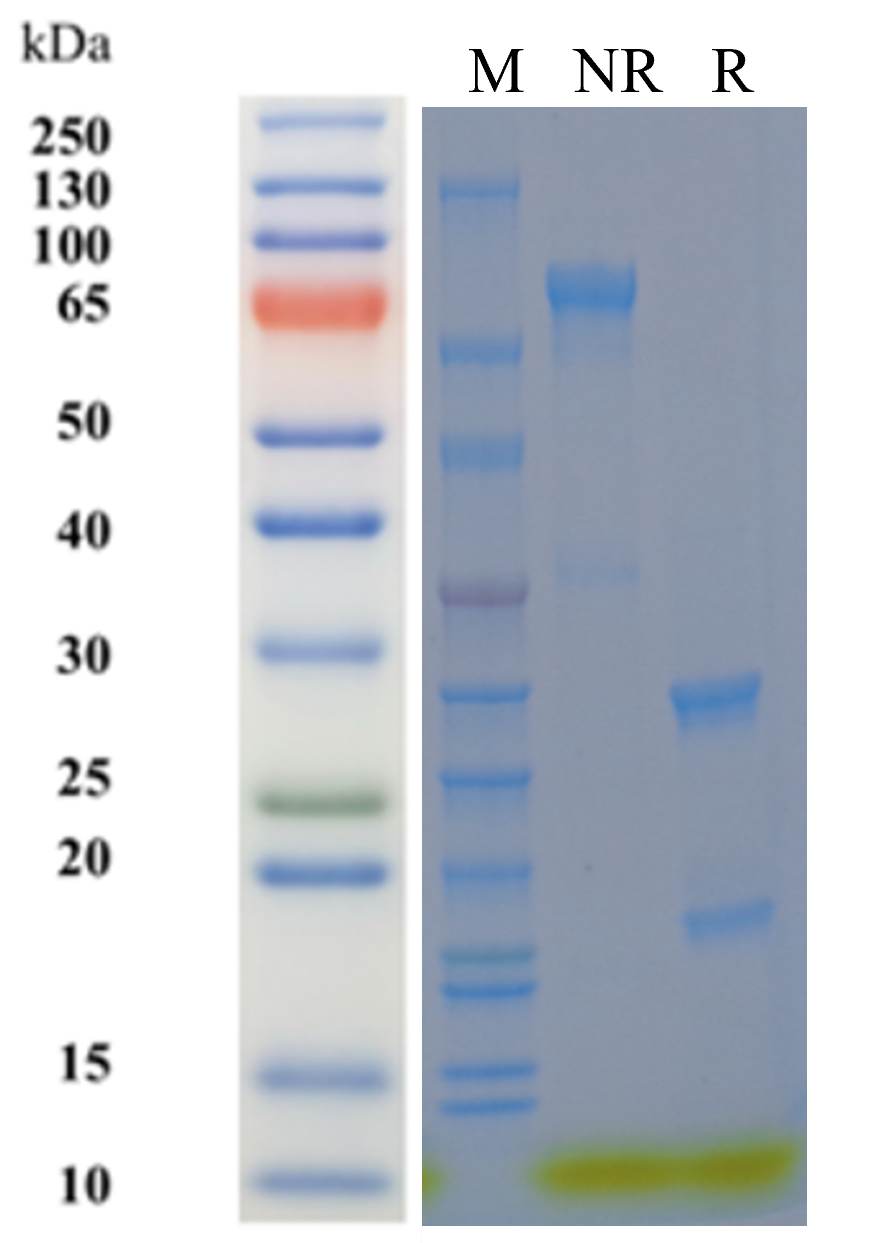
| Purity | > 95% as determined by SDS-PAGE |
| Clone | 1D3-28Z |
| Source/Isotype | Rat IgG2a, Kappa |
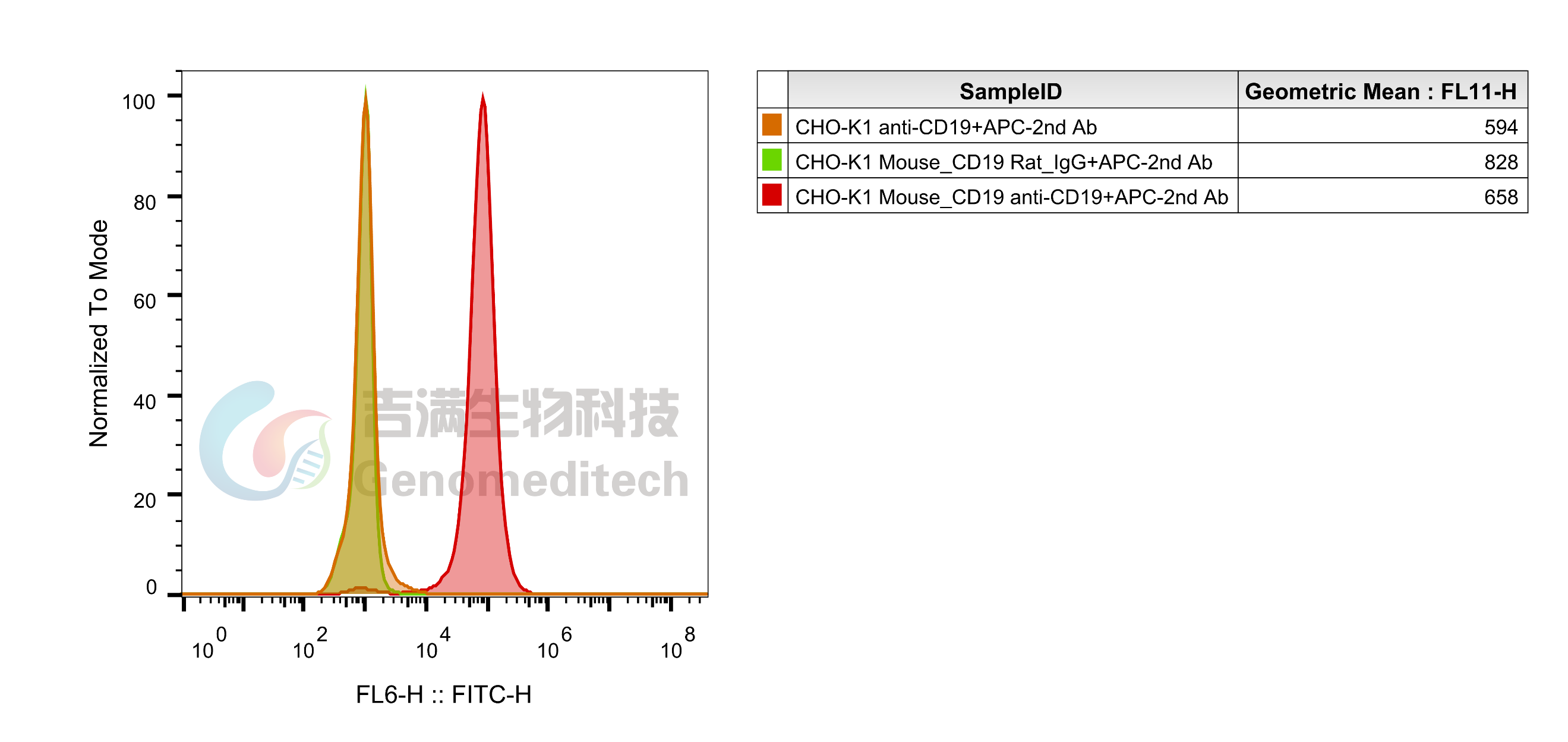
| Application | Flow Cytometry |
| Specificity | Detects CD19 |
| Gene | CD19 |
| Other Names | / |
| Gene ID | 12478 (mouse) |
| Background | The CD19 gene is located on the short arm of human chromosome 16 and encodes a type I transmembrane glycoprotein of approximately 95 kda, which belongs to the immunoglobulin superfamily. It acts as a core marker of B cells and is stably expressed from early precursor B cell to mature B cell stages, but is turned off upon plasma cell differentiation. CD19 forms a co-receptor complex with CD21 and CD81, which regulates B cell development, proliferation and antibody production by lowering the B cell receptor activation threshold. Mutations in this gene cause a common variable immunodeficiency disease (CVID3) , characterized by reduced antibody production and recurrent infections. Because of its high specificity and wide expression in B cell malignancies, CD19 has become a key target for immunotherapy such as CAR-T therapy and bispecific monoclonal antibody. |
| Formulation | Phosphate-buffered solution, pH 7.2-7.4. |
| Endotoxin | < 1 EU/mg, determined by LAL gel clotting assay |
| Expression System | CHO |
| Aggregation | < 5% as determined by SEC-HPLC |
| Purity | > 95% as determined by SDS-PAGE |
| Clone | 1D3-28Z |
| Source/Isotype | Rat IgG2a, Kappa |
| Application | Flow Cytometry |
| Specificity | Detects CD19 |
| Gene | CD19 |
| Other Names | / |
| Gene ID | 12478 (mouse) |
| Background | The CD19 gene is located on the short arm of human chromosome 16 and encodes a type I transmembrane glycoprotein of approximately 95 kda, which belongs to the immunoglobulin superfamily. It acts as a core marker of B cells and is stably expressed from early precursor B cell to mature B cell stages, but is turned off upon plasma cell differentiation. CD19 forms a co-receptor complex with CD21 and CD81, which regulates B cell development, proliferation and antibody production by lowering the B cell receptor activation threshold. Mutations in this gene cause a common variable immunodeficiency disease (CVID3) , characterized by reduced antibody production and recurrent infections. Because of its high specificity and wide expression in B cell malignancies, CD19 has become a key target for immunotherapy such as CAR-T therapy and bispecific monoclonal antibody. |
| Formulation | Phosphate-buffered solution, pH 7.2-7.4. |
| Endotoxin | < 1 EU/mg, determined by LAL gel clotting assay |